
Photography Works
When I think of photography I see a form of emotional expression rather than a simple medium to capture an image. A photograph is a distilled moment that allows light, composition and intention to work together to make feeling visible. It doesn’t just record what something looks like rather it reveals how something feels.
A face in soft shadow can speak of quiet resilience. A backlit landscape at dusk can fold nostalgia into color. The choice of angle, depth of field and timing are all decisions that translate an internal mood into visual language. Even technical choices such as long exposure, grainy film textures, high-contrast digital processing tend to act like vocabulary and tone of voice. The subject provides the sentence but the photographer provides the dialect.
Photography’s power comes from that translation. A successful image resonates because it echoes an emotion the viewer already carries, or because it introduces an emotion they didn’t know they had. It creates empathy across distance: a single frame can convey loneliness, joy, longing, or defiance more immediately than paragraphs of description.
Seeing photography as emotional expression also reshapes the practice. It encourages curiosity over correctness, instinct over rules, and narrative over mere representation. It invites collaboration between sitter and maker, environment and intention. It honors mistakes that reveal truth and celebrates minimalism that leaves space for feeling.
Ultimately, a photograph is persuasive not by technical perfection but by authenticity. When an image is made from a place of genuine feeling, it holds the power to move others. That’s why photography, at its best, feels like handwriting unique, imperfect, and unmistakably human.
-

Juxtaposition Mash-ups
-

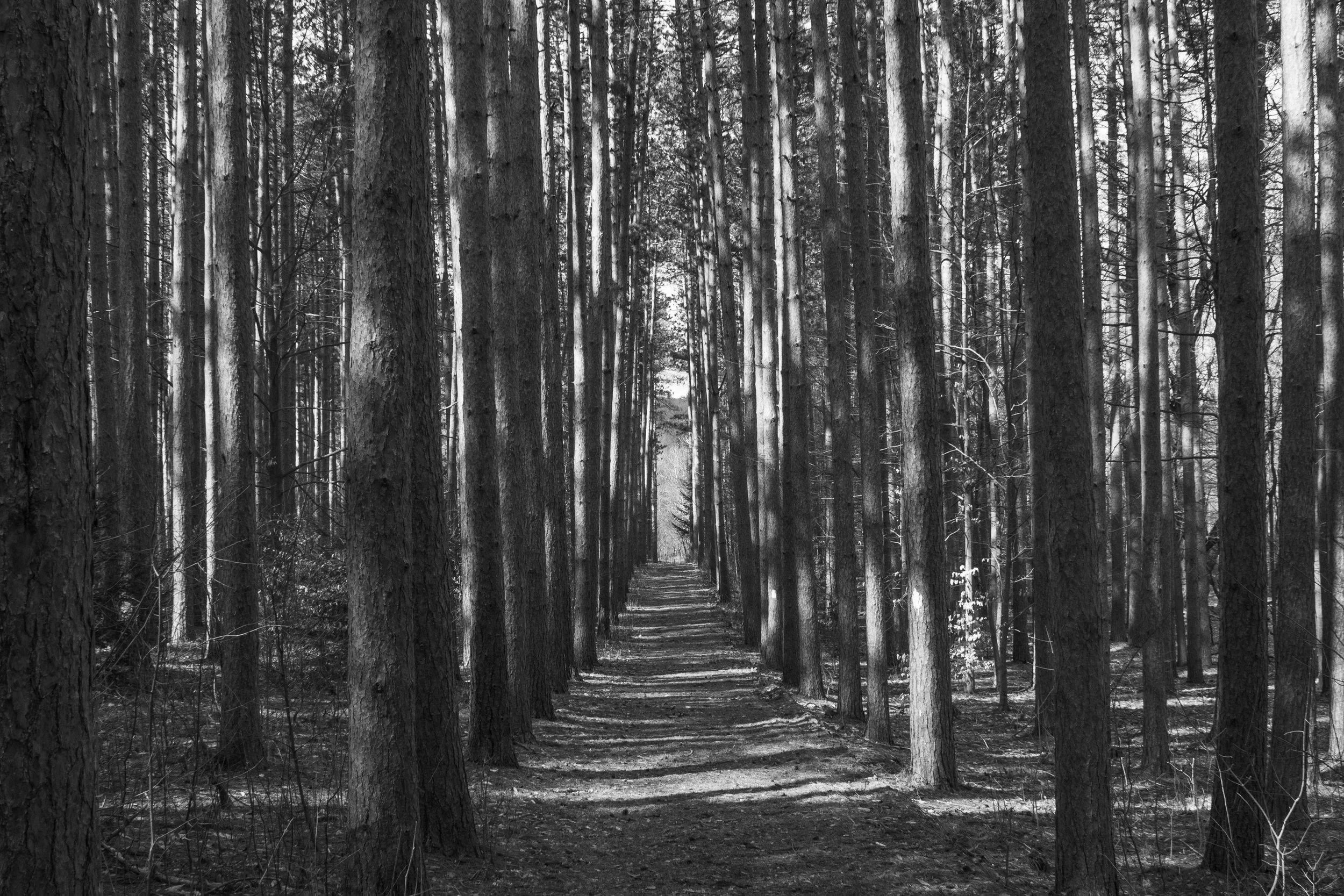
Nature Photography
-

Headshots and Identity Portraits
-
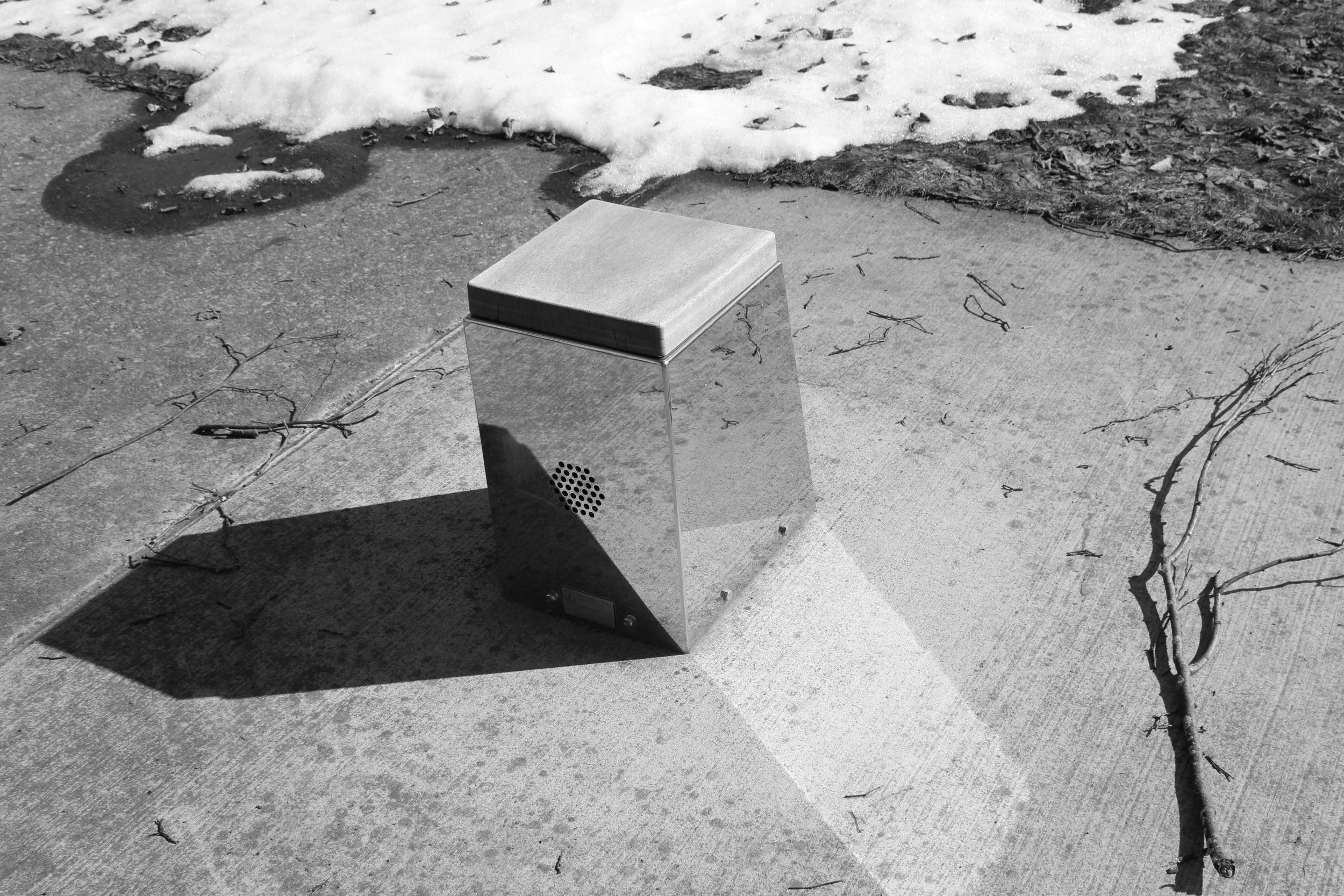
Black and White
-

Wolfgang Tillmans Inspired Work
-

Natural Decay Still Lifes
-

Other Shots
-
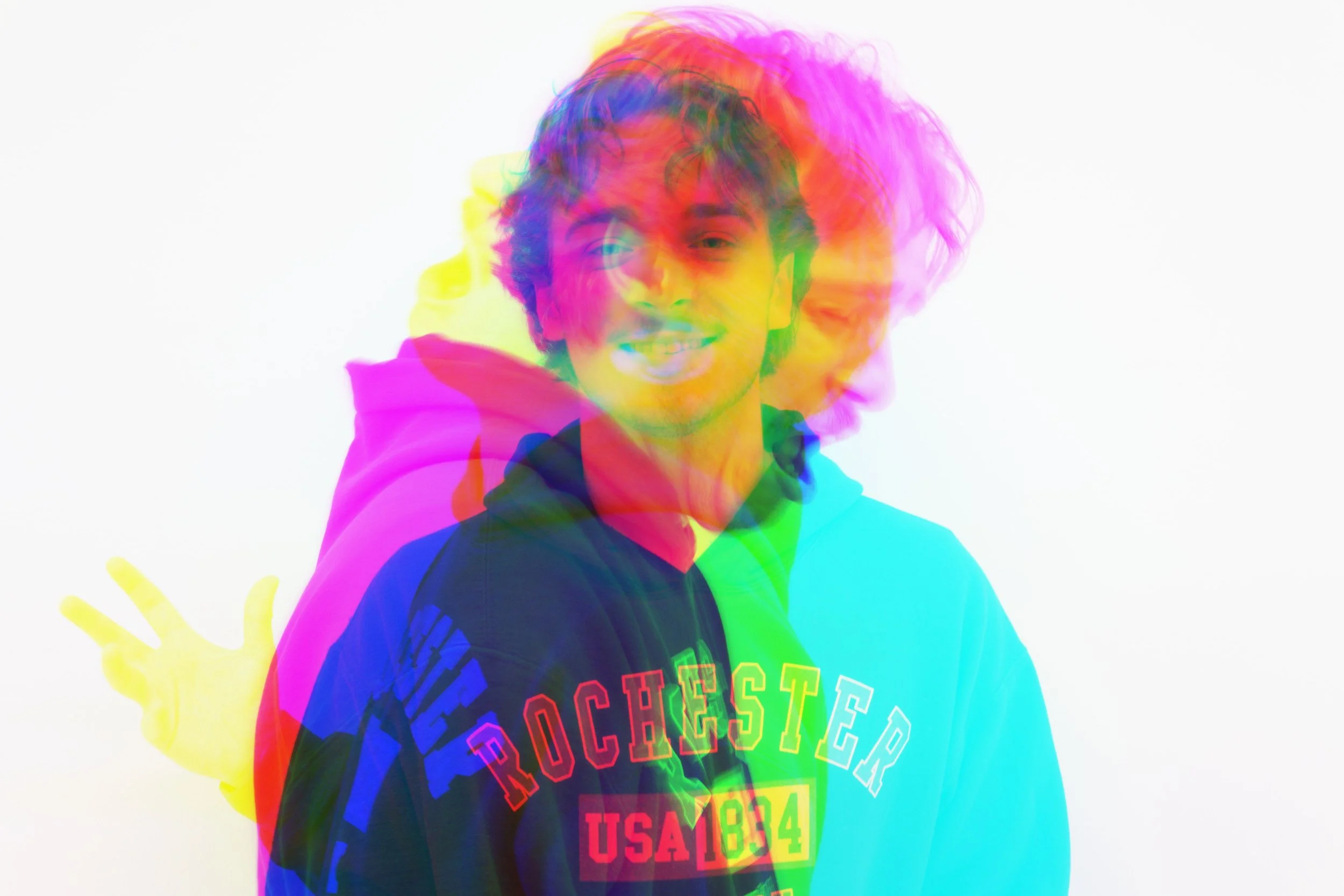
Color Motion